Choosing the right roof style is one of the most critical decisions you will make for your home’s structural integrity, aesthetics, and long-term cost of ownership. While many styles exist, the classic hip roof vs gable roof comparison is one most homeowners face. The choice isn’t just about curb appeal; it directly impacts your roof’s resilience against wind, snow, and rain, which is especially important in a demanding climate like Colorado’s.
Here is a comprehensive breakdown of the similarities, differences, and why one might be a better fit for your house than the other.
Let’s Get into the Differences: Hip Roof vs Gable Roof
These two styles are fundamentally different in their geometry. Let’s compare a hip roof vs a gable roof: A gable roof is simple, while a hip roof is characterized by its complex, multi-sided structure.
The Anatomy of a Hip Roof (The Four-Sided Pyramid)
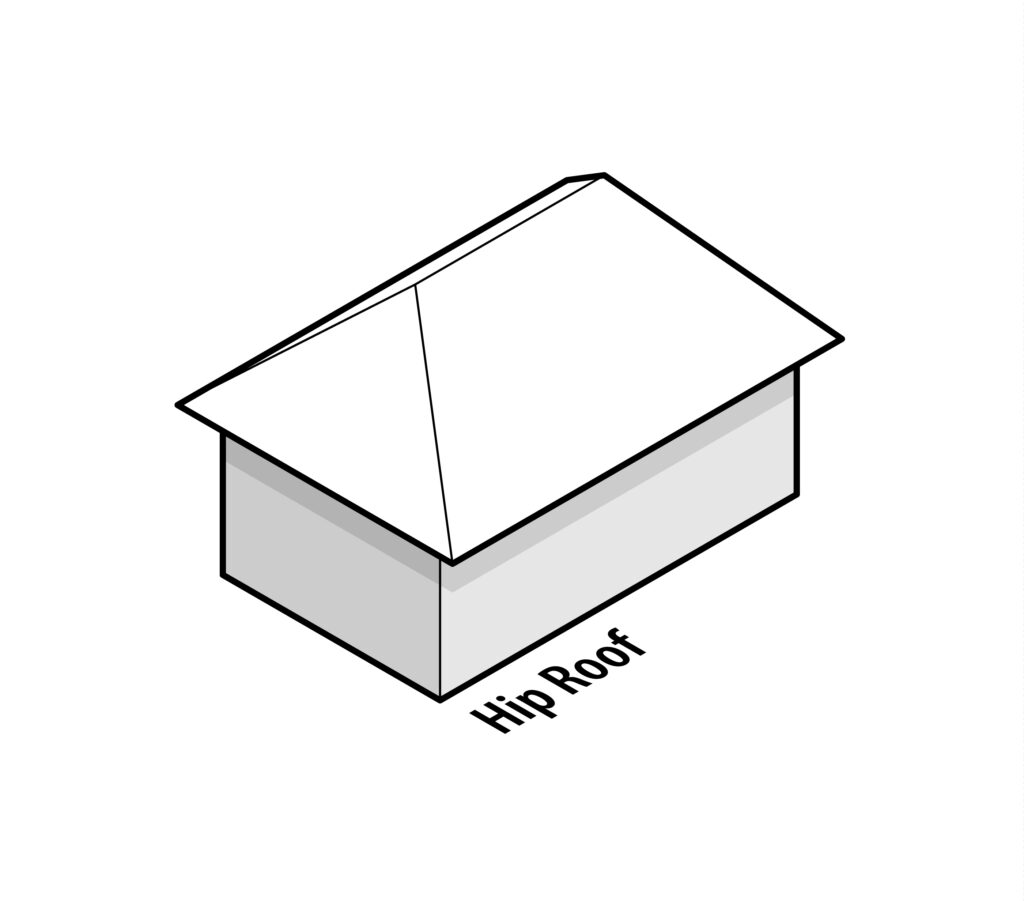
A hip roof is defined by its slopes on all four sides. Instead of having vertical walls (gables) at the ends of the house, all four sides of the roof slope downward to the walls. Where two adjacent slopes meet, they form an external, downward-sloping line called a hip. In most common designs, the slopes meet to form a single ridge line at the top. This structure gives the hip roof a compact, grounded, and often symmetrical appearance, which is popular in ranch and bungalow-style homes. If you are exploring your options for residential roofing services, a hip roof offers superior structural stability.
The Anatomy of a Gable Roof (The Classic Triangle)
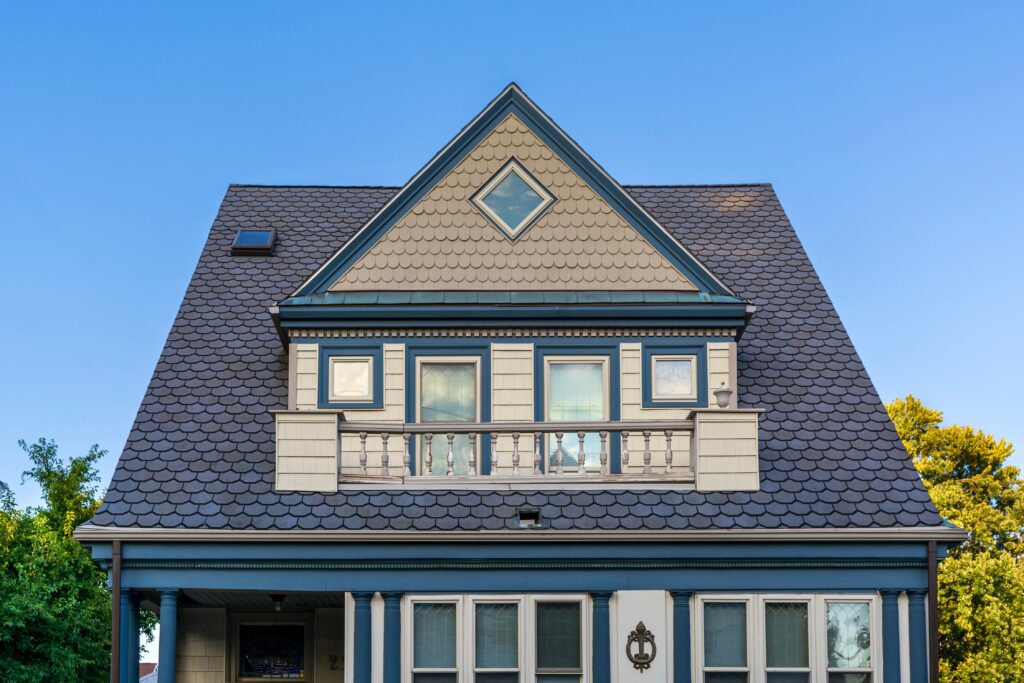
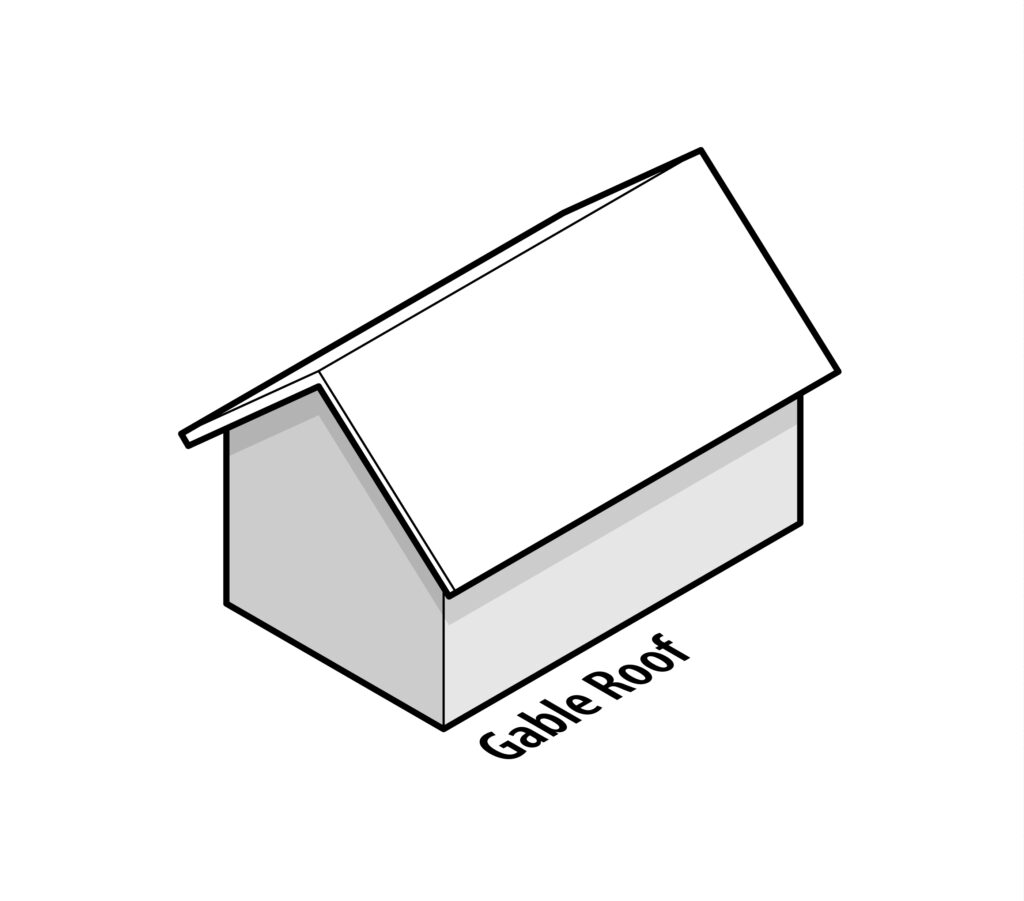
A gable roof is the most recognizable roof style, often described as a simple triangle. It features two sloping sides that meet at a ridge, creating a distinctive triangular section of wall on the ends of the house known as the gable. This traditional design is simple to build and maximizes attic space, making it a favorite for many builders and homeowners. Styles like the Dutch Colonial and the simple shed-style use variations of the gable, but the most iconic form remains the basic pitched roof. Learn more about unique roof designs in our A-frame roofing guide.
The Pros and Cons: Which Roof Wins on Performance?
| Feature | Gable Roof (Pros) | Hip Roof (Pros) |
| Ventilation & Space | Excellent ventilation and maximum usable attic/storage space. | Less usable attic space, but the ceiling can be vaulted easily. |
| Water & Snow | Simple, effective drainage. Snow slides off easily. | Four-way drainage handles heavy rainfall exceptionally well. |
| Wind Resistance | POOR Susceptible to wind lift/damage in high winds. | EXCELLENT Aerodynamic design handles high winds and uplift better. |
| Complexity & Cost | Simple to frame, faster to install, and generally lower cost. | Complex structure requires specialized framing and higher labor costs. |
Hip Roof vs Gable Roof: Installation, Maintenance, and Cost Comparison
When budgeting for a new roof, the structure you choose can significantly impact the final price. Here’s a breakdown of a hip roof vs a gable roof when it comes to cost, installation and maintenance:
Cost:
A hip roof is almost always more expensive than a comparable gable roof. The complexity of the truss system, the increased number of angles (hips and valleys), and the need for more cuts and specialized flashing lead to higher material and labor costs. If budget is your primary concern, the gable roof is the clear winner.
Installation:
Gable roofs are straightforward. The simple frame means faster installation times. Hip roofs, with their multiple planes and angles, require more precision and time from the roofing contractor. The choice of material also plays a role in the cost and speed of installation; for a full cost comparison, read our guide on metal roof vs asphalt shingles.
Maintenance:
While both are reliable, the hip roof has more seams and angles, which are potential weak points for leaks if not properly sealed and flashed during installation. For Denver homeowners, both styles must be inspected regularly for hail damage. Upgrading to a class 4 impact-resistant roof is highly recommended regardless of the roof type you choose.
Making the Choice: Best Applications for Each Style
Choose the Gable Roof if:
- You are on a tight budget.
- You need maximum attic storage space.
- You are located in an area with heavy snowfall (the steep pitch helps shed snow quickly).
Choose the Hip Roof if:
- You live in an area prone to high winds, hurricanes, or tornadoes (its structural stability is unmatched).
- You prefer a contemporary or architectural aesthetic that looks balanced from all sides.
- You are seeking a sturdy, long-term roofing solution where structural integrity is paramount.
Whether You Want a Hip Roof or a Gable Roof: Trust Mile Hi Roofing for Your Denver Roofing Needs
The choice between a hip roof vs a gable roof is even more crucial in the Denver metro area, where the climate presents unique challenges, including intense sun exposure, high winds along the Front Range, and severe hailstorms.
At Mile Hi Roofing, we specialize in solutions built for the Colorado environment. Whether you choose the stability of a hip roof or the simplicity of a gable roof, we ensure the installation uses materials and techniques that stand up to our harsh weather, from installing high-quality flashing to preventing roof deterioration.
We are experts in managing local roofing issues, including:
- Designing proper ventilation to prevent ice buildup and knowing how to prevent ice dams.
- Providing reliable, large-scale services for HOA roof repairs.
Don’t leave the integrity of your home to chance. Contact the local Denver experts at Mile Hi Roofing today for a free, no-obligation inspection and consultation on the best roof style and materials for your property.