When it comes to protecting your home, few things matter more than the roof over your head. It shields you from the elements, defines the look of your house, and plays a major role in energy efficiency. But for most homeowners, the subject of roofing can feel overwhelming. With so many different types of roofs available—ranging from materials like asphalt and metal to architectural styles like gable and hip—it’s hard to know where to start. Whether you’re building a new home, replacing an old roof, or simply weighing your options for the future, understanding the variety of materials and styles on the market can help you make an informed choice.
This guide breaks down the most common types of roofing materials, explores popular roof styles, and highlights what Denver homeowners should consider before committing to a project. We’ll also cover when it’s time to bring in a professional, since spotting early signs of damage and knowing when an inspection is needed can save you thousands in repairs down the road.
The Most Common Types of Roofing Materials
Every roof starts with the right material, but the types of roofs available today offer more than just shelter. Some homeowners prioritize cost-effectiveness, while others want durability, energy efficiency, or visual appeal. Here are the primary materials you’ll see on homes today:
1. Asphalt Shingles
Asphalt shingles remain the most widely used roofing material in the U.S., largely due to their affordability and ease of installation. They’re available in a wide variety of colors and styles, making them adaptable to nearly any home. While they typically last between 15 and 30 years, they can wear down faster in climates with frequent hail or dramatic temperature swings, both of which Denver residents are familiar with.
2. Metal Roofing
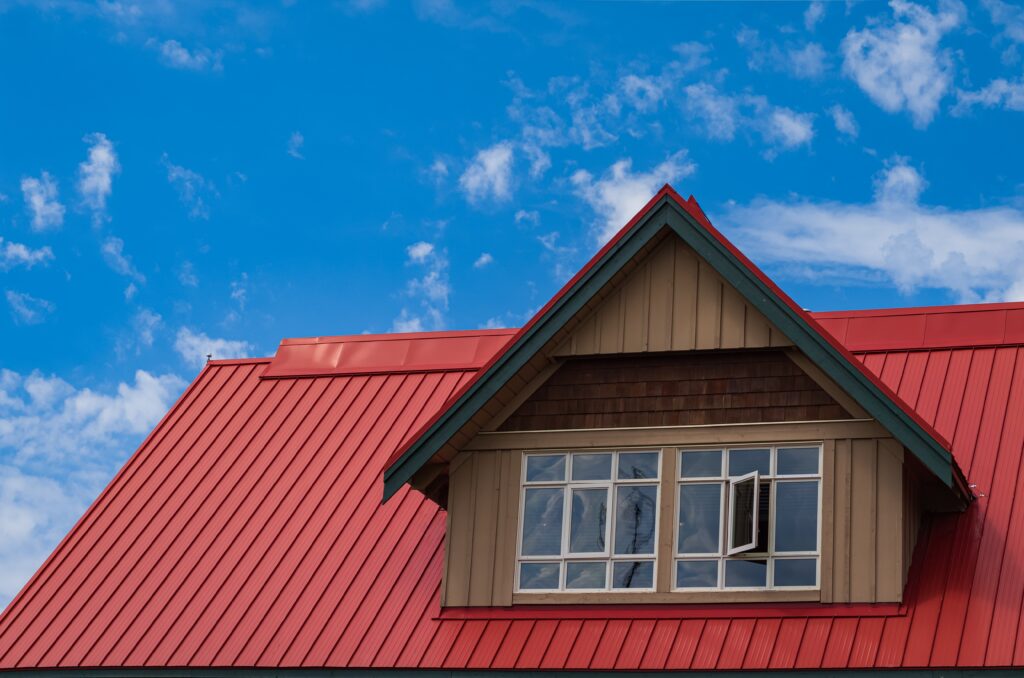
Metal roofs have grown in popularity thanks to their long lifespan and sleek appearance. They can last 40 to 70 years and stand up well to snow, wind, and fire. In Denver, where heavy snow loads are common, metal roofing offers the added benefit of shedding snow quickly, reducing the risk of ice dams. It’s more expensive up front than asphalt but pays off in longevity and energy efficiency.
3. Tile Roofing
Tile roofs, a distinct and durable option among the various types of roofs, are often made from clay or concrete. They’re a staple in regions that favor Mediterranean or Spanish-inspired architecture. They’re extremely durable and resistant to fire and insects, but their weight requires a strong roof structure. For Denver homeowners, tile can be an option if your home is engineered to handle it, but it’s less common than in warmer, drier climates.
4. Slate Roofing
Slate is considered one of the most premium roofing materials available. It has a natural beauty and can last well over a century if properly maintained. However, it’s among the heaviest and most expensive options, making it less practical for most residential projects. For historic or luxury homes in Denver, though, slate remains a striking choice.
5. Wood Shakes and Shingles
Wood roofing offers a rustic charm that can add a lot of character to a property. Shakes are thicker and more textured than shingles, giving roofs a rugged appearance. While wood has a timeless look, it requires more upkeep and is less fire-resistant than other options. In Colorado, where wildfires are a concern, many homeowners opt for synthetic alternatives that mimic wood while providing better protection.
Exploring Different Types of Roofs Styles
Beyond materials, the shape and structure of your roof contribute to both function and curb appeal. Some common types of roofs include:
- Gable Roofs: Easily recognizable by their triangular shape, gable roofs are practical for shedding snow and rain. They’re also cost-effective and versatile.
- Hip Roofs: With slopes on all four sides, hip roofs are more stable in high winds—a valuable feature in storm-prone areas.
- Flat Roofs: Common in modern architecture, flat roofs offer a clean look and can even double as outdoor living space, though they require careful drainage.
- Mansard Roofs: This French-inspired design features four slopes and creates additional living or storage space under the roofline.
- A-frame Roofs: With their steep triangular design, a-frame roofing styles are another common style across Colorado. Their shape allows snow and rain to slide off more easily than other roofs, which is a major advantage in harsh winters.
Each style has its strengths, and the right one for your home depends on both aesthetic preferences and practical considerations like climate.
Choosing the Right Types of Roofs for a Denver Home
In Denver, homeowners face unique challenges when selecting different types of roofs. Between hailstorms, heavy snow, and high-altitude sun exposure, roofs in this region need to balance durability with efficiency. Materials like metal and high-quality asphalt tend to perform best, while styles that shed snow effectively—such as gable or steeply pitched hip roofs—help prevent ice buildup. We’ve been in this business for years, and have helped homeowners do everything from mending minorly damaged roofs to complete hail damage-induced roof replacements. When considering your roofing material options, we think it’s wise to think about energy performance, especially since Denver’s climate can swing from freezing winters to blazing summers. Reflective or well-insulated materials can reduce heating and cooling costs year-round.
When to Call a Professional for Your Roof
Even the best roofs won’t last forever. The key to protecting your investment is knowing when to seek professional help.
Visible Shingle Damage
Missing, cracked, or curling shingles are one of the first warning signs your roof needs attention. Even a small patch of exposed roof can let in water, leading to leaks, mold, and bigger structural issues if left unchecked.
Water Leaks and Stains
If you notice water stains on your ceilings or walls, it’s usually a sign that moisture is getting past your roof. While it may look like a minor cosmetic issue, it often points to a more serious problem above the drywall. Musty odors or damp insulation in the attic are also red flags that your roof is compromised.
Granule Loss in Gutters
Asphalt shingles are coated with protective granules. When these start collecting in your gutters like dark, sand-like debris, it means your shingles are wearing down. Without those granules, shingles age faster and are more vulnerable to the elements.
Hail and Storm Damage
In Denver, hail is one of the biggest threats to roof health. While your roof may look fine from the ground, hail can leave dents, bruises, or punctures that weaken its ability to keep water out. A professional inspection after severe weather is always a proactive step to take.
An Aging Roof
No matter what type of roof system you have — asphalt shingles, tile, metal, or flat roofing — age is one of the most important factors in determining whether you need a repair or a full replacement. Every material has its own lifespan, ranging anywhere from 15 years to more than 50, but all roofs eventually wear down from weather exposure, sun damage, and natural aging. If your roof is approaching or past its expected service life, ongoing repairs may not be enough to keep it performing reliably, and replacement could be the smarter investment.
The Value of a Professional Inspection
While it might be tempting to glance at your roof from the driveway and assume you can spot problems yourself, a professional inspection brings far more to the table.
We Know What to Look Out For
Roofing contractors are trained to recognize issues that aren’t obvious to the untrained eye, such as subtle hail bruising on shingles, hairline cracks in tile, rust starting on fasteners in a metal system, or tiny punctures in a flat roof membrane. Left unchecked, these small vulnerabilities can allow water to seep in over time, creating damage that may not show up inside your home until it becomes a costly repair.
We Understand Denver’s Building Codes and Weather Conditions
Whatever types of roofs you want or have, a professional inspection ensures your roof is evaluated within the context of Denver, Colorado, roofing codes and weather conditions. Inspectors know what kinds of damage hail typically leaves behind in this region and can differentiate between cosmetic issues and those that compromise the roof’s structural integrity. That distinction matters, especially when filing an insurance claim, because documentation from a licensed roofing company carries far more weight than a homeowner’s personal notes or photos.
Working with Experts in Roofing Repair Helps Provide a Clear Path Forward
Beyond identifying damage, an inspection provides you with a clear plan. You’ll know whether your specific type of roof can be repaired, whether replacement is necessary, and how urgent the work may be. A detailed report also helps you avoid the uncertainty of not knowing what’s happening over your head. In short, an inspection gives you the knowledge you need to make informed decisions, protect your investment, and act fast before small problems spiral into larger ones.
Your Local Experts in Roofing Repair Services, No Matter What Types of Roofs You Have
When hail or storm damage hits (or you need any other help with your types of roofs!), having a trusted partner in roofing repair services makes all the difference. Mile Hi Services has been serving homeowners across the Denver area for years, bringing expertise not just in roofing repairs but also in understanding the unique challenges Colorado weather presents. From hailstorms that leave hidden dents in metal panels to heavy snow that stresses older roofs, our team knows what to look for and how to fix it the right way.
What sets Mile Hi apart is our commitment to thorough inspections, honest recommendations, and high-quality repairs built to last. We don’t just patch up surface issues — we make sure your roof is structurally sound and ready to handle the next storm that rolls through. By working with Mile Hi Services, you’re not only restoring your roof, but you’re also protecting your home, your family, and your peace of mind.