If you’ve ever admired the elegant, sloping rooftops of Parisian architecture, chances are you were looking at a mansard roof. More than just a striking design choice, this type of roof is a clever and functional solution that has been popular for centuries. Unlike a traditional gable or hipped roof, a mansard roof offers both aesthetic appeal and a practical benefit: it maximizes usable living space.
But what exactly is a mansard roof, and what should you know before choosing one for your home? In this guide, we’ll explore the defining characteristics, historical origins, and the key pros and cons of this timeless design.
The Defining Characteristics of a Mansard Roof
The most notable feature of a mansard roof is its distinctive shape, which sets it apart from other types of roofs. This unique structure is defined by three key elements.
The Double Slope
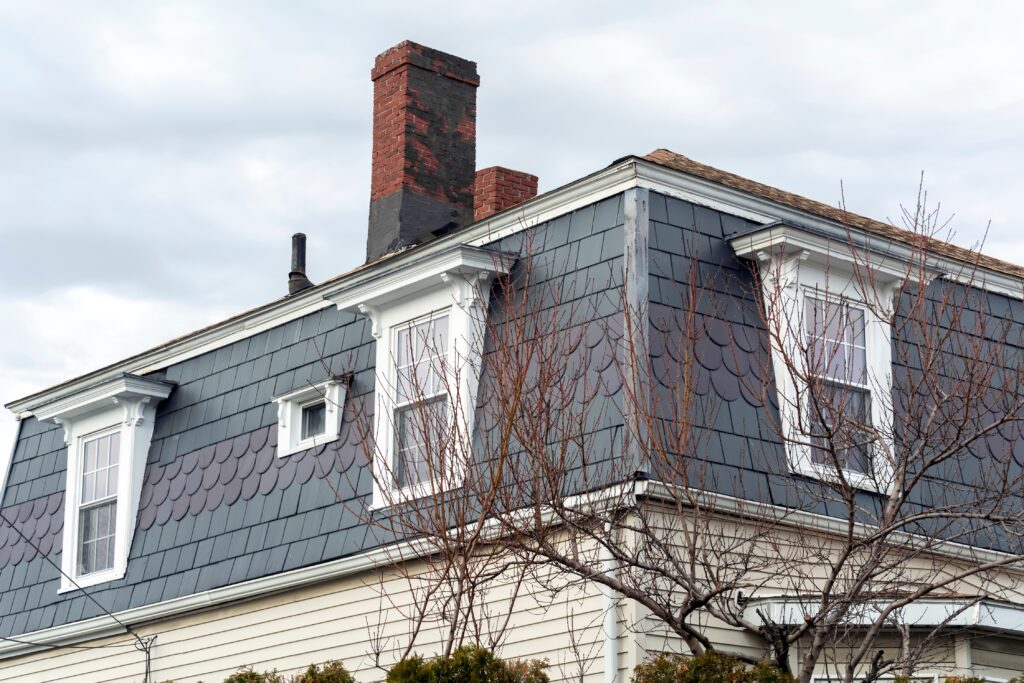
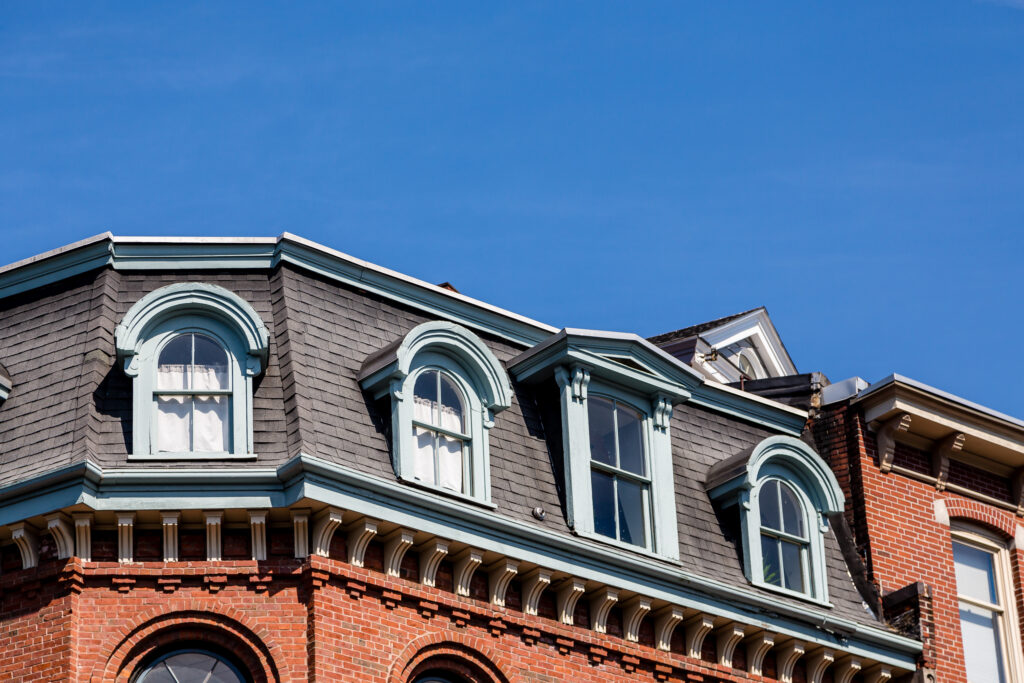
A mansard roof has a double slope on all four sides. The lower slope is a very steep, almost vertical pitch, while the upper slope is much flatter and often not visible from the ground. It’s this two-part design that gives the roof its signature look and its primary function. The steep lower slope allows the interior walls of the top floor to be nearly straight, maximizing the floor area.
Dormer Windows
Another key characteristic of a mansard roof is the generous use of dormer windows. The steep lower pitch of the roof makes it easy to install these vertical windows, which protrude from the roofline. These windows are not just for aesthetics; they are crucial for bringing natural light into the living space created under the roof. The dormers provide light, ventilation, and a striking visual element that defines the style.
The Fourth Wall
In many cases, a mansard roof functions as the building’s top story, with the steep lower slope acting as the exterior wall of the top floor. This seamless integration of roof and facade is a hallmark of the style. It creates the illusion that the building has an extra floor hidden within its roofline, which, as we’ll see, was a very clever design trick.
A Brief History: From French Elegance to Modern Design
The mansard roof is deeply rooted in European architecture, with a history that explains its enduring appeal.
The Origins
The design is named after François Mansart, a 17th-century French architect who was known for using it extensively in his work. However, he didn’t invent the design. It was a popular style that Mansart perfected and brought into the architectural spotlight. The roof’s popularity soared in Paris because it offered a clever way to bypass tax laws. At the time, taxes were levied based on the number of stories a building had. By creating a habitable attic space within the roof, property owners could effectively add a full floor to their building without being taxed for it.
Resurgence in America
The mansard roof made a grand comeback in the United States during the 19th century. It became a defining feature of the Second Empire architectural style, which was popular from the 1860s to the 1880s. This period of American architecture was influenced by the reign of Napoleon III in France, and the mansard roof became a symbol of sophistication, grandeur, and European elegance. Today, you can find this style on historic homes, townhouses, and even modern buildings that seek to evoke a classic, high-end aesthetic.
5 Things to Consider Before Getting a Mansard Roof
- Cost and Construction Complexity: Mansard roofs are an investment. Their intricate design, with numerous angles and slopes, requires highly skilled labor and is generally more expensive to build than simpler roof styles. This complexity also means that if not installed correctly, the roof can be prone to leaks, especially around the multiple valleys and dormer windows. This isn’t a project to trust to just any contractor; you’ll need a specialist.
- Maximizing Your Living Space: The number one functional benefit of a mansard roof is its ability to create a full, usable attic or a whole extra floor of living space. Unlike a typical attic with sloped ceilings, a mansard roof’s steep lower slope allows for straight interior walls, making the space feel like a regular room. This feature is a huge plus for homeowners looking to expand their square footage without changing their home’s footprint.
- Aesthetics and Curb Appeal: A mansard roof will completely transform the look of your home. The style is deeply rooted in elegant French architecture, and its distinct, almost symmetrical appearance can provide a strong visual anchor for your property. This look can significantly boost your home’s curb appeal, but it’s important to ensure the design complements your home’s existing style and the aesthetic of your neighborhood.
- Maintenance and Longevity: While beautiful, the complex structure of a mansard roof means it requires more vigilant maintenance. The numerous flashing points around the dormers and the change in pitch can be susceptible to water damage and leaks over time, especially after a hail-damaged roof incident. Regular professional inspections are essential to catch minor issues before they become major problems.
- Understanding the Trade-Offs: Choosing a mansard roof involves a trade-off. While you gain valuable living space, you lose the traditional, low-pitched attic that’s often used for storage. Additionally, while the aesthetic is timeless, it’s not a universal fit for every architectural style. Make sure you’re comfortable with both the functional and visual implications before committing to this design.
Mansard Roofs vs. Gambrel Roofs: A Quick Comparison
It’s easy to confuse a mansard roof with a gambrel roof, as both have a distinctive double slope. However, there’s one key difference that sets them apart.
| Feature | Mansard Roof | Gambrel Roof |
| Number of Slopes | Four sloping sides, with a double pitch on each side. | Two sloping sides, with a double pitch on each side. |
| Common Look | Elegant, French-inspired, often seen on historic city buildings. | Barn-like, rustic, and commonly seen on farmhouses or Dutch Colonial homes. |
| Purpose | Creates a usable top-floor living space. | Maximizes headroom in an attic or a barn loft. |
While a gambrel roof is more similar to an a-frame roofing style, the mansard is in a class of its own.
Our Recommendation? Hire Mile Hi Roofing
Given the complexity of a mansard roof, it is not a project for an inexperienced roofing contractor. The intricate flashing around the dormers and the precise angles of the slopes require a seasoned professional.
At Mile Hi Roofing, we specialize in all types of roofing, from standard asphalt shingles to complex architectural designs like mansard roofs. Our team has the expertise in residential and commercial roofing to ensure your roof is not only beautiful but also meticulously sealed and built to last. Whether you’re considering a new build or need maintenance on an existing mansard roof, we have the skills and experience to handle the job with confidence.
A Timeless Design That Requires an Expert Touch
A mansard roof is a perfect blend of form and function. While its elegant, classic design makes a striking visual statement, its ability to expand a home’s living space is what truly sets it apart. The style, rooted in French history, remains a sophisticated and practical choice for modern homeowners.
However, as we’ve explored, the benefits of this unique roof come with certain considerations—namely, its complexity and need for professional installation and maintenance. For such a significant investment in your home’s value and aesthetics, trust is paramount.
That’s where Mile Hi Roofing comes in. We understand the unique challenges and intricate details of mansard roofs. Our team has the specialized expertise to ensure your roof is not only beautiful but also meticulously built to withstand the elements. When you choose a design this distinctive, you need a partner who can deliver on its full potential. Contact us today.