If you live in Westminster or Broomfield, you know the sound: that distinct, low howl that rattles the windows and shakes the siding. While the rest of Denver might get a breezy day, our neighborhoods—sitting right in the shadow of the foothills—often experience hurricane-force gusts during the winter and spring.
When the dust settles, many homeowners look up to see missing shingles, torn siding, or debris scattered across their yard. Dealing with the aftermath can be stressful, but acting quickly is key to protecting your investment.
Here is your guide to navigating home wind damage repairs in the heart of Colorado’s wind corridor.
Why are the Westminster and Broomfield Areas So Windy?
It isn’t just your imagination—our area really is windier than many other parts of the metro.
Westminster and Broomfield sit in a unique geographical position often referred to as the “Rocky Flats Wind Corridor.” As air flows over the Continental Divide and descends down the Front Range, it accelerates. By the time it hits the flatirons and rolls into Broomfield and Westminster, it can reach speeds of 60 to 100 mph.
These “Chinook winds” are most common in the winter months (Q4 and Q1). They are warm, dry, and powerful enough to rip older shingles straight off a roof or peel back siding that hasn’t been properly secured.
Why is It Important to Understand Your Options for Home Wind Damage Repairs?

Many homeowners make the mistake of ignoring “minor” wind damage. You might see one or two shingles on the lawn and think, “I’ll get to it later.”
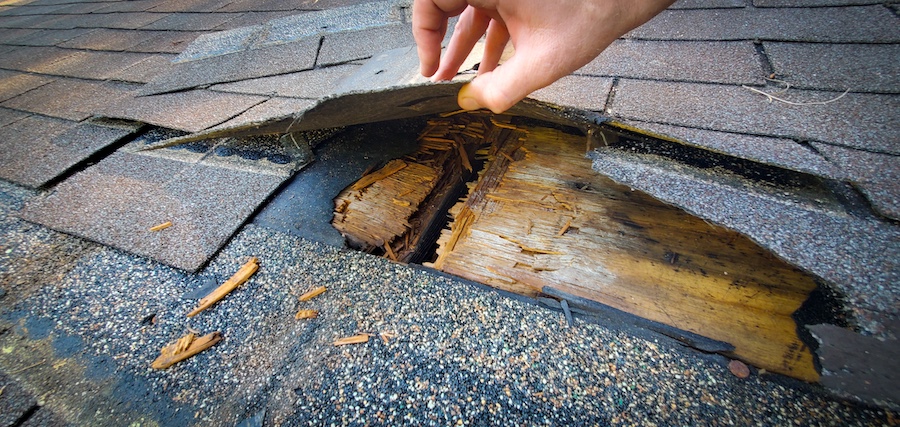
However, your roof is a system. When wind tears off shingles or lifts the tabs, it breaks the waterproof seal. This exposes the underlayment and decking to moisture. In Westminster, where a windstorm is often followed immediately by snow, this is a recipe for disaster.
- Water Infiltration: Exposed nails and decking allow melting snow to seep into your attic, causing insulation damage and mold.
- Progressive Failure: Once one shingle rips off, the wind has a “catch point” to grab the next one. A small patch of damage can turn into a blown-off roof in the next storm.
- Insurance Complications: Most insurance policies require you to mitigate damages. If you leave a hole in your roof for months and it leaks, the insurance company may deny the claim for the interior water damage because you failed to act.
4 Tips for Getting Your Home’s Wind-Damage Repairs Completed
If the winds have done their worst, don’t panic. Follow these steps to ensure your home wind damage repair is handled correctly and paid for fairly.
1. Document the Damage Immediately (From the Ground)
As soon as it is safe to go outside, take pictures. Walk the perimeter of your home and look for:
- Missing shingles or siding panels.
- Debris (tree limbs) on the roof.
- Dents in gutters or downspouts.
- “Creased” shingles (lines across the top of the shingle where it flapped up and down).
⚠️ SAFETY FIRST: Stay Off the Ladder
Please, do not attempt to inspect your roof or tarp it yourself while it is still windy. Ladder injuries are common and severe. We have the safety gear and training to handle high-wind inspections. If you suspect active leaks, call our emergency line immediately rather than risking your safety.}
2. Mitigate Immediate Risks (Tarping)
If there is a gaping hole in your roof or a shattered window, you need to stop the bleeding. Most insurance policies cover the cost of “emergency services” or temporary repairs.
- If you can safely do so, cover broken windows.
- Call a professional roofer for emergency tarping. This prevents the next snowstorm from turning a roof problem into a living room problem.
3. Look for “Hidden” Wind Damage
Not all wind damage is visible from the curb. High winds can lift shingles up, break the adhesive seal that holds them down, and then lay them back flat.
To the untrained eye, the roof looks fine. However, those shingles are now “unsealed.” The next time the wind blows, they will flap violently, eventually breaking off or allowing water to be driven underneath them. This is why a professional inspection is vital after a major wind event—we look for the subtle dark lines (creases) at the top of the shingle that indicate the seal has failed.
4. Work with a Pro Exterior Team Who Acts as Your Insurance Liaison
This is the most critical tip. Insurance claims for wind damage can be tricky. Adjusters might argue that the roof was already old or that the damage is “cosmetic.”
You need an advocate in your corner. Look for a local exterior home service team (like Mile Hi Roofing) that specializes in insurance restoration.
- The Liaison Role: We don’t just fix the roof; we meet the insurance adjuster at your property. We walk the roof with them, pointing out the damage they might miss.
- Fair Payouts: We ensure the insurance scope of loss covers everything needed to bring your home back to code.
- One Call Solution: Instead of hiring a roofer, a sider, and a gutter company separately, a full-service exterior team handles the entire project.
CRITICAL WARNING: The “Ticking Clock” on Claims
Many homeowners assume they can file a claim whenever they get around to it. This is a costly mistake.
Most insurance policies in Colorado have a strict deadline for filing wind damage claims. Often, you only have one year (365 days) from the date of the storm to file. If you wait too long to inspect your roof, you might discover the damage after the deadline has passed, leaving you to pay for the entire repair out of pocket.
Don’t wait. Even if you aren’t sure if you have damage, getting a free inspection “stops the clock” and ensures your claim is on record.
The Clear Roofing Choice for Windy Areas
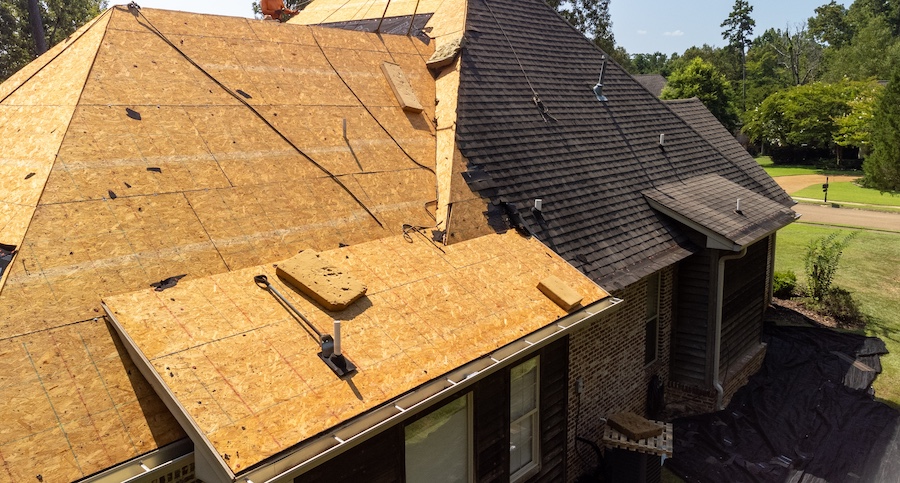
When it comes to repairing wind damage, you have a choice to make for the future. If you are replacing your roof, we highly recommend upgrading to Class 4 Impact-Resistant Shingles.
🛡️ PRO TIP: The Wind Rating Matters
Standard shingles are often rated for winds up to 60-70 mph. High-performance shingles can be rated for up to 110-130 mph. In Westminster and Broomfield, that extra roof strength isn’t a luxury—it’s a necessity.
Get Expert Help for Your Home Wind Damage Repairs
Don’t let the Broomfield breeze compromise your home’s safety. Whether you have a few missing shingles or significant structural damage, Mile Hi Roofing is your local expert in the Westminster area. We know the wind patterns, we know the insurance companies, and we know how to restore your home better than before.
Suspect wind damage from the last storm? Contact us today for a free wind damage inspection and let us handle the insurance headache for you.