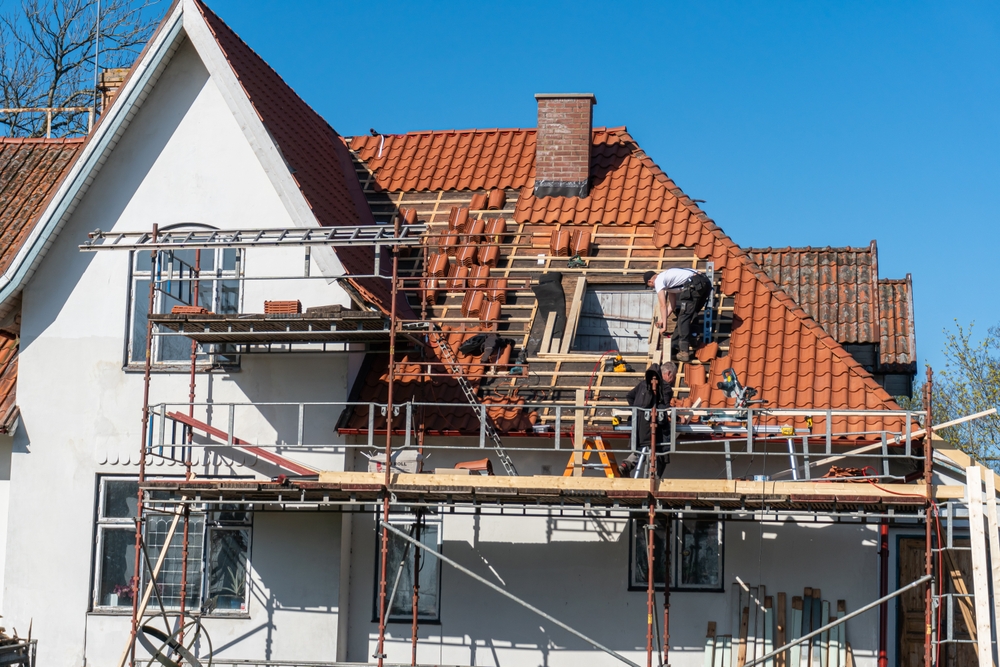
For Boulder residents, “weather” isn’t just small talk; it’s a daily consideration. Nestled against the foothills, our homes are on the front lines of some of Colorado’s most volatile climate shifts. We experience the famous Chinook winds, intense UV exposure at high altitude, and the sudden, violent thunderstorms that roll off the divide.
For your roof, this environment is a constant stress test.
Understanding the specific threats to our area is critical. Many homeowners don’t realize they have storm damage roofing in Boulder until a ceiling leak appears months after the event. By then, the damage has compounded, and the window to file an insurance claim may be closing.
Why is Understanding Roof Damage the First Step to Protection?
Your roof is a complex system of layers—decking, underlayment, flashing, and shingles—designed to shed water. When a storm compromises one of these layers, the entire system can fail.
Ignorance is not bliss when it comes to roofing; it is expensive. Identifying damage early allows you to perform minor repairs (like replacing a few shingles) rather than a full replacement. Furthermore, understanding the signs of damage empowers you to have informed conversations with insurance adjusters, ensuring you get the full coverage you are entitled to.
The Unique Weather Challenges of Boulder County
Boulder County sits in a unique “weather bowl.” We are part of what meteorologists call “Hail Alley,” but we also face threats that Denver doesn’t always see.
- Upslope Storms: Moisture-rich air pushed up against the mountains creates heavy, wet snow that sits on roofs for days, testing the weight load and water-tightness of your structure.
- Chinook Winds: These warm, dry winds coming down from the mountains can reach hurricane speeds (over 75 mph), ripping shingles off before they have a chance to seal properly in the spring.
- Thermal Shock: Boulder temperatures can swing 50 degrees in a single day. This causes roofing materials to expand and contract rapidly, leading to cracking and brittleness over time.
⚠️ DID YOU KNOW? Boulder is in the “Hail Danger Zone”
According to insurance data, Colorado consistently ranks 2nd in the nation for hail insurance claims, with the Front Range bearing the brunt of the cost. Source: Rocky Mountain Insurance Information Association
Here are 4 Common Ways Your Roof Takes a Beating
When we inspect homes for Boulder roofing, we typically find damage in four specific categories.
1. Hail Impact (The “Bruise”)
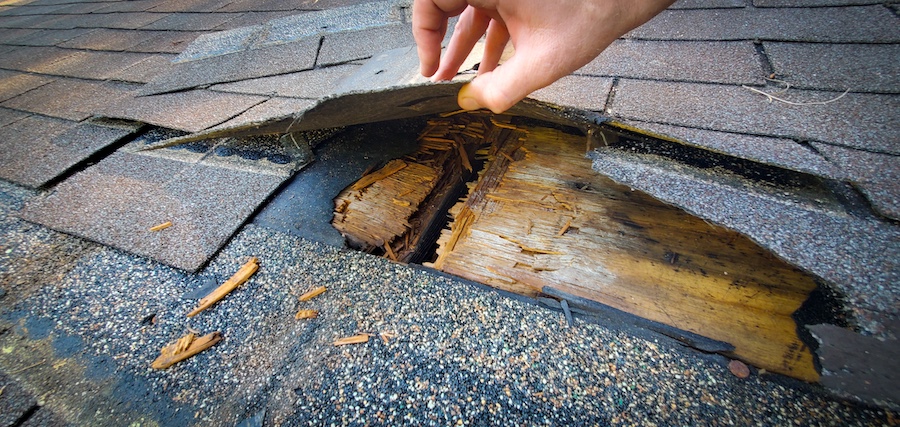
Hail is the most common destroyer of roofs in our county. You don’t need baseball-sized stones to cause damage; even marble-sized hail, driven by wind, can harm your shingles.
- What happens: The impact knocks the protective granules off the shingle. These granules act as “sunscreen” for the asphalt. Once they are gone, the sun’s UV rays eat away at the exposed asphalt, causing the shingle to crack and fail prematurely.
- The solution: If you see bruising, you likely need professional hail-damage roofing contractors to assess if the roof is totaled.
2. Wind Uplift (The Hidden Killer)
Wind doesn’t always tear shingles off; sometimes, it just lifts them up.
- What happens: High winds create a suction effect that pulls shingles up, breaking the adhesive seal that bonds them to the roof. Dust and dirt then blow into that gap, preventing the shingle from ever sealing again. The next time it rains, water is driven sideways under the unsealed shingle.
3. Falling Debris & Tree Limbs
Boulder’s mature tree canopy is beautiful, but dangerous. During wind events, rubbing branches act like sandpaper, stripping shingles bare. Larger falling limbs can puncture the roof deck, leading to immediate, catastrophic leaks.
4. Ice Dams (The Winter Menace)
Because of our freeze-thaw cycle, snow melts on the upper (warmer) part of your roof and runs down to the cold eaves, where it refreezes.
- What happens: This ridge of ice blocks subsequent melting snow from draining. The water pools behind the dam and is forced up and under your shingles, leaking into your attic and walls.
Immediate Steps: What to Do Right After the Storm Damage to Your Boulder Roof

If a major storm just passed, do not panic. Follow this safety-first protocol:
- Safety First: Do not climb on a roof that might be slippery, wet, or structurally compromised.
- Ground Inspection: Walk the perimeter. Look for shingles on the lawn, dented gutters, or pieces of metal fascia that have blown off.
- Document: Take photos of any visible damage from the ground.
- Cover Up: If a window is broken or you see a hole, call for emergency roof repair Boulder County services immediately to get a tarp installed.
When to Call in the Pros for Storm Damage Roofing in Boulder?
You should call a professional if you spot any of the following “red flags” on your damaged Boulder roof:
- Granules in the Gutter: If your downspouts are spewing out black “sand,” your shingles are rapidly deteriorating.
- Interior Water Spots: Brown or yellow stains on your ceiling mean water has already penetrated the roof deck and insulation.
- Visible Shingle Damage: Any missing, cracked, or curling shingles.
- Neighbors Getting Roofs: If the houses on both sides of you are getting Hail Damage Roof Replacements, it is highly likely your home sustained the same damage.
Navigating Insurance Claims in Boulder
The insurance process in Boulder County can be tricky due to local building codes.
- Code Upgrades: Boulder County has strict energy and safety codes. If your roof is replaced, it must be brought up to current code (e.g., adding Ice & Water Shield). If your contractor doesn’t know this, you might get stuck paying for these mandatory upgrades out of pocket.
- The Liaison Role: At Mile Hi Roofing, we act as a liaison. We meet the adjuster at your property to ensure they see all the damage—including the “hidden” wind uplift—and we advocate for coverage of all code-required items.
Schedule Your Storm Damage Roof Assessment for Your Boulder Home Today
Don’t let the next storm turn a small problem into a disaster. Whether you have a standard gable roof, a complex hip roof vs gable roof, or a unique mansard roof, the elements in Boulder are unforgiving.
Protect your investment with a professional inspection. Contact Mile Hi Roofing today to schedule your free assessment and ensure your home is ready for whatever the weather brings next.