If you are a homeowner in the Denver metro area, replacing your roof is rarely a simple cosmetic choice. It is a strategic decision that impacts your home’s value, your insurance premiums, and your protection against our notorious hailstorms.
When browsing neighborhoods from Cherry Hills to Westminster, you will likely see two dominant styles: the rustic, textured look of natural wood shake and the clean, uniform appearance of asphalt shingles. But beyond curb appeal, how do these materials actually stack up?
In this guide, we dive deep into the wood shake roof vs. shingles debate to help you decide which material is the smartest investment for your Colorado home.
Why is Differentiating Between Wood Shake Roof vs. Asphalt Shingles Important?
For decades, wood shake was the gold standard for luxury homes in Colorado. It offered a rugged, mountain aesthetic that fit perfectly with our landscape. However, the roofing industry has evolved rapidly.
Modern manufacturing has closed the gap between aesthetics and performance. Today, choosing the wrong material can lead to higher maintenance costs, increased fire risk, and even difficulty securing homeowner’s insurance. Understanding the structural and functional differences between these two materials is critical for protecting your biggest asset.
Comparing Two Roof Materials: Wood Shake Roof vs. Shingles

Before we compare performance, let’s define exactly what we are putting on your roof.
Wood Shake Roof
Genuine wood shakes are typically crafted from cedar, redwood, or pine. Unlike “shingles,” which are sawn on both sides for a uniform look, “shakes” are split on one or both sides to retain the natural grain and texture of the wood.
- The Look: It offers an undeniable, premium charm. Over time, natural cedar ages to a distinguished silver-gray.
- The Structure: Wood shakes are stiff and require “breathing room.” They are often installed over a lattice (spaced sheathing) rather than a solid deck to allow airflow, preventing rot and mold.
Asphalt Shingles
Asphalt shingles are the most popular roofing material in North America. They consist of a fiberglass mat base, coated in asphalt for waterproofing, and topped with ceramic granules for UV protection and color.
- The Look: Modern “architectural” or “dimensional” shingles feature multi-layered construction that adds depth and shadow lines, mimicking the look of slate or wood without the bulk.
- The Structure: They are flexible and installed directly onto a solid plywood or OSB deck, creating a tight, waterproof barrier.
4 Key Differences: Durability, Maintenance, and Cost
When weighing wood shake roof vs. shingles, you have to look at the lifespan and the daily demands of the material.
1. Durability and Weather Resistance
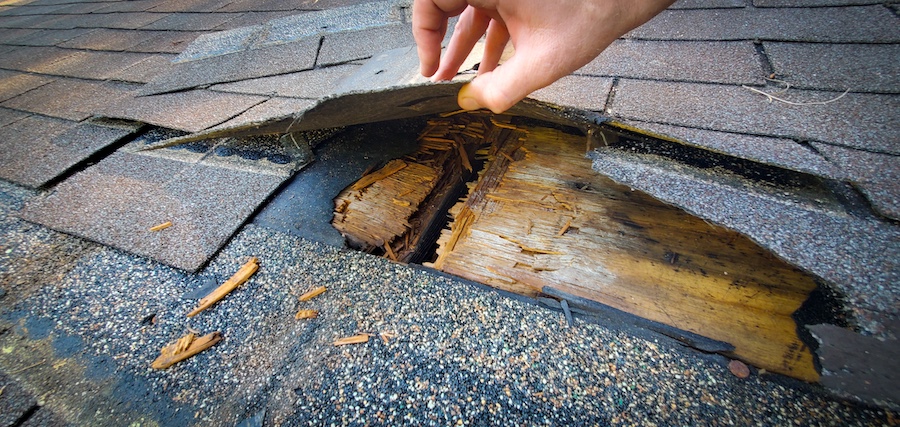
Wood Shake: Wood is naturally strong against wind, but it has an enemy: the dry Colorado climate. *Dun-dunn!* Over time, the low humidity can cause wood to dry out, split, and curl (a process called “checking”). Once a shake cracks, the waterproof barrier is compromised. Furthermore, while wood is tough, older, brittle shakes can be shattered by large hail.
Asphalt Shingles: Standard asphalt shingles are durable, but for Denver, we recommend upgrading to a class 4 impact-resistant roof. These shingles are polymer-modified to be flexible, allowing them to absorb the energy of a hailstone without cracking—a massive advantage in our region.
2. Maintenance Requirements
Wood Shake: This is a high-maintenance material. To prevent moss, algae, and rot, wood roofs require regular cleaning and occasional oil treatments to keep the wood supple. Leaves and pine needles must be cleared immediately, as wet debris trapped between shakes encourages decay.
Asphalt Shingles: Asphalt is virtually maintenance-free. Aside from occasional inspections to check for loose granules or wind-lifted tabs, you can largely “set it and forget it.”
3. Fire Safety
This is a critical distinction in the West. Fire ratings often become the tipping point in the wood shake roof vs. shingles comparison for mountain and foothills residents.
- Wood Shake: Unless heavily treated with fire-retardant chemicals (which wash off over time), wood is combustible. Many municipalities in high-fire-risk zones have banned new wood shake installations.
- Asphalt Shingles: Most fiberglass asphalt shingles carry a Class A fire rating, the highest rating available, meaning they are effective against severe fire exposure.
4. Cost and Installation
Wood Shake: Expect a premium price tag. The material itself is expensive, and the installation is labor-intensive, requiring skilled craftsmen to properly space and lay the shakes. Asphalt Shingles: Asphalt is significantly more budget-friendly. Installation is faster and standardized, reducing labor costs.
The Price of Beauty:
According to Remodeling Magazine’s Cost vs. Value Report, a wood shake roof can cost 30% to 50% more to install than high-end asphalt shingles, yet asphalt shingles often provide a higher return on investment (ROI) at resale due to their lower maintenance appeal.
The “Denver Factor”: Insurance Coverage Issues
This is perhaps the most important section for Colorado homeowners. The insurance landscape has shifted dramatically in the last five years, and it heavily influences the wood shake roof vs. shingles decision.
Because wood shakes are prone to fire and hail damage, many insurance carriers in Colorado are taking a hard line.
- Higher Premiums: Insuring a home with a wood roof can cost significantly more than one with asphalt or tile.
- Exclusions: Some policies now contain “cosmetic exclusions” for wood shakes (meaning they won’t pay if the roof looks bad but doesn’t leak) or require a separate, higher deductible for wind/hail claims.
- Cancellations: We have seen cases where insurers require homeowners to replace an older wood shake roof as a condition of renewing the policy.
Conversely, installing a Class 4 Impact Resistant asphalt shingle can actually lower your premiums by up to 20-25% with many carriers.
Wood Shake Roof vs. Shingles: Is There a Middle Ground?
If you love the look of wood but hate the maintenance and insurance headaches, you are not out of options.
Synthetic & Composite Shakes
Brands like DaVinci or CeDUR manufacture tiles made from virgin resins or polyurethane. They are molded from actual wood shakes to capture the texture perfectly, but are impervious to moisture, fire, and impact.
Metal Roofing
While different in aesthetic, stone-coated steel can mimic the texture of shake with the durability of steel.
Side Quest: Metal Roof vs. Asphalt Shingles
Thinking about upgrading to metal? It’s a big investment, but the payoff in Colorado can be huge.
- Lifespan: Metal roofs can last 40–70 years, while asphalt typically lasts 15–25 years.
- Snow Shedding: Metal sheds snow naturally, preventing ice dams that are common in Denver winters.
- The Trade-off: Metal costs 2x to 3x more upfront than asphalt, but often offers the best long-term ROI.
Read the full comparison: Is a Metal Roof Worth the Extra Cost?
Tile and Slate
If your goal is longevity and you have the budget, concrete tile or natural slate are heavy-duty alternatives.
Like Luxury? Slate vs. Tile Roofs
If you are looking for maximum longevity and that classic “Old World” charm, how do you choose?
- Slate: The “forever roof.” Natural stone that lasts 100+ years and is fireproof/waterproof. It is the most expensive option and very heavy.
- Tile (Clay/Concrete): Offers a similar lifespan (50+ years) at a lower price point than slate ($8–$15/sq ft vs. $10–$30/sq ft).
- Critical Note: Both materials are heavy! Your home may need structural reinforcement to support the weight.
The Clear Roofing Choice
For 90% of Denver homeowners, the smart money is on Impact Resistant Shingles.
While wood shake offers undeniable rustic charm, the practical benefits of modern asphalt shingles are hard to ignore in our climate:
- Hail Defense: Designed to bounce hail off rather than split.
- Insurance Savings: Potential 20-25% annual premium discount.
- Fire Safety: Class A rating for peace of mind.
- Zero Maintenance: No oiling, no moss removal, no stress.
Unless you are in a historic district that mandates wood, high-performance shingles are the clear winner for ROI and durability.
Let Us Help You Make Your Roofing Material Decisions
Choosing between a wood shake roof vs. shingles is about balancing your desire for curb appeal with the reality of Colorado weather. Whether you are looking for a roof replacement in Westminster, an upgrade in Denver, or hail damage repairs in Aurora, you need an honest assessment of your current roof’s condition.
At Mile Hi Roofing, we specialize in helping homeowners navigate these choices. We can inspect your current wood roof to see if it has life left in it, or provide a transparent quote for converting to a high-performance impact-resistant shingle.
Don’t let hail season catch you unprepared. Contact Mile Hi Roofing today for a free consultation, and let’s find the perfect roof for your home.